Welcome to the official website of Rongli Printing Factory
Rongli Factoryfor you
Fixed hotline:021-66317519
Service Hotline:181-0186-9996

Fixed hotline:021-66317519
Service Hotline:181-0186-9996

Service Hotline:181-0186-9996
email:chengxunys@163.com
上一张
下一张
ChinaHow to choose the printing material for brochures ensures stable production results by maintaining consistent color control, alignment accuracy, and material performance throughout printing.
ChinaHow to choose the printing material for brochures is often applied across environments with varying functional and visual expectations. Certain applications require a stronger focus on appearance consistency, while others demand structural reliability under repeated use. These differences influence how product structures are defined and optimized. In China, ChinaHow to choose the printing material for brochures configurations are developed with attention to environmental conditions and handling intensity, ensuring that each structure aligns with its intended application scenario and maintains reliable performance over time.
| Usage Environment | General Design | ChinaHow to choose the printing material for brochures Design |
|---|---|---|
| Structural Adaptability | Limited | Environment-Oriented |
| Handling Resistance | Moderate | High Stability |
| Visual Consistency | Variable | Controlled |
To meet diverse project requirements, ChinaHow to choose the printing material for brochures provides flexible solutions in terms of physical dimensions and page numbers. Compact designs suit portability-focused applications, while larger formats enable comprehensive content presentation. The ChinaHow to choose the printing material for brochures approach ensures the selected size and page number match application requirements, producing a balanced product that satisfies both visual and practical needs.
| Dimension Aspect | Conventional | ChinaHow to choose the printing material for brochures Option |
|---|---|---|
| Page Count | 16-24 | 16–80 Custom |
| Size Flexibility | Limited | Scenario-Adaptive |
| Layout Adaptation | Standard | Optimized |
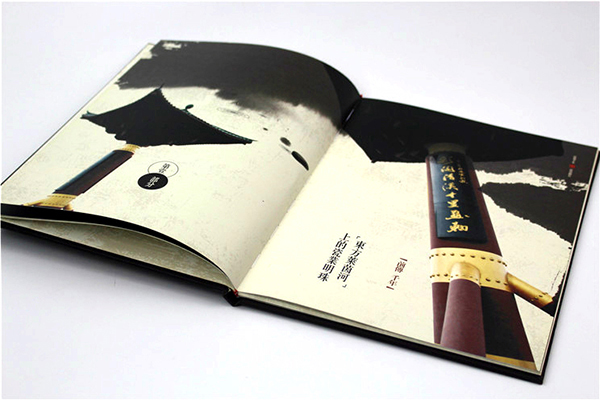
Our How to choose the printing material for brochures paper stock choices include glossy coated, matte coated, textured art paper, specialty stocks, rigid greyboard lamination, and sustainable recycled options. Cover weights range from 250gsm to 400gsm for premium feel, inner pages 157–250gsm for comfortable reading. Textured art paper adds tactile depth, pearl paper creates shimmering elegance, and flocked paper offers a velvet-like softness. In the China market, we guide clients to select paper stocks that perfectly match brand personality, print quality goals, and cost requirements.
| Paper Stock | Common Choice | Our Texture Edge |
|---|---|---|
| Glossy Coated | 250gsm | Vibrant color pop |
| Matte Coated | 250gsm | Sophisticated & fingerprint-resistant |
| Textured Art | Optional | Unique tactile depth |
| Flocked Specialty | Rare | Velvet-soft luxury feel |
Innovative printing techniques elevate ChinaHow to choose the printing material for brochures products by improving visual quality, color accuracy, and tactile experience. Properly applied effects enhance both aesthetic appeal and product longevity. ChinaHow to choose the printing material for brochures manufacturers carefully select printing processes for each product type to ensure optimal results.
| Innovation Factor | Conventional | ChinaHow to choose the printing material for brochures Innovation |
|---|---|---|
| Color Accuracy | Medium | High |
| Detail Sharpness | Average | Crisp |
| Surface Finish | Moderate | Glossy / Matte |
Our How to choose the printing material for brochures surface processes include soft-touch matte lamination, selective UV coating, multi-level embossing, foil stamping in various metallic shades, and specialty finishes like flocking or pearlescent coating. Soft-touch lamination creates a velvety, fingerprint-resistant surface, selective UV adds raised glossy highlights, multi-level embossing delivers deep 3D texture, and foil stamping provides elegant metallic shine. In the China market, we combine these processes to create a superior tactile experience that elevates brand perception.
| Surface Process | Basic Result | Our Tactile Enhancement |
|---|---|---|
| Soft-Touch Matte | Standard matte | Velvety & fingerprint-resistant |
| Selective UV | Flat gloss | Raised glossy 3D highlights |
| Multi-Level Embossing | Single level | Deep 3D texture |
| Foil Stamping | Gold/silver only | Variety of metallic shades |
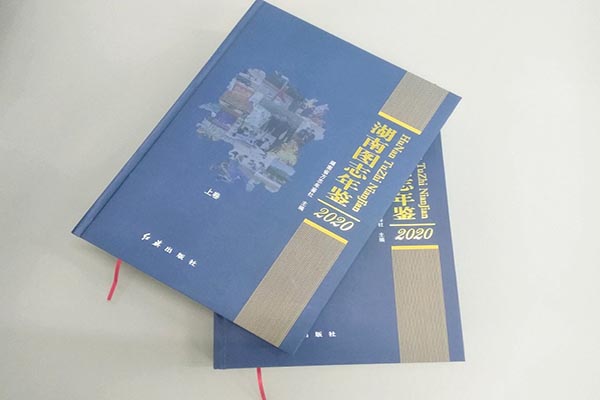
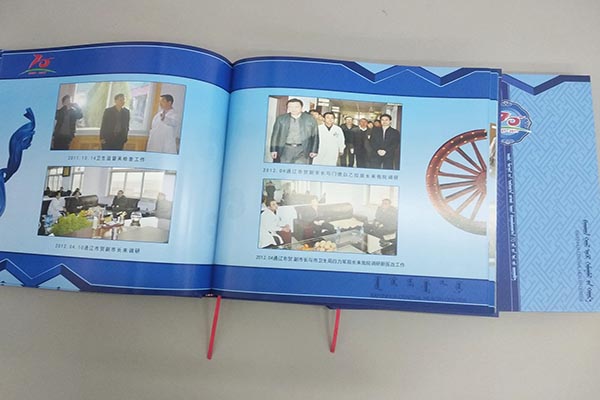
We offer a full range of binding methods for How to choose the printing material for brochures, including perfect binding (glue-bound), saddle-stitched (stapled), wire-o binding, spiral coil binding, and sewn hardcover (case-bound) with sewn signatures. Perfect binding provides a clean, flat spine ideal for thicker brochures, saddle-stitching is cost-effective for slim booklets, wire-o and spiral coil allow 360° lay-flat usage, and sewn hardcover delivers premium durability and luxury feel. In the China market, we select the optimal binding method and structure to ensure long-lasting performance, easy handling, and alignment with your brand image.
| Binding Method | Typical Use | Our Structural Edge |
|---|---|---|
| Perfect Binding | Medium-thick brochures | Clean flat spine & durable glue |
| Saddle-Stitched | Slim booklets | Cost-effective & quick turnaround |
| Wire-O / Spiral Coil | Lay-flat needs | 360° lay-flat usability |
| Sewn Hardcover | Premium books | Luxury durability & sewn strength |
ChinaHow to choose the printing material for brochures products rely on precise file standards. Following the correct format, resolution, and color specifications ensures How to choose the printing material for brochures-related items are produced without errors, preserving quality and consistency.
| Aspect | Basic | ChinaHow to choose the printing material for brochures Standard |
|---|---|---|
| File Format | PDF / AI / EPS | |
| Resolution | 150 DPI | 300 DPI |
| Color Mode | RGB | CMYK |
Before mass production, ChinaHow to choose the printing material for brochures ensures How to choose the printing material for brochures-related products are proofed with strict verification. This step identifies color deviations, layout issues, and content errors, guaranteeing high-quality output.
| Workflow Step | Typical | ChinaHow to choose the printing material for brochures Enhanced |
|---|---|---|
| Sample Method | Digital Proof | Printed & Digital |
| Approval Duration | 48h | 24h Quick Turnaround |
| Correction Process | Limited | Full Feedback Implemented |
We offer quantity tiers for How to choose the printing material for brochures starting from 500 copies, with transparent pricing that rewards larger orders. For standard A4 16-page brochures (coated paper, perfect binding), expect $18–28 per copy for 500–1000 copies, $12–20 per copy for 1000–3000 copies, and $8–15 per copy for 5000+ copies. Prices reflect material, printing, finishing, binding, and any extras. In the China market, we provide a clear, transparent pricing guide and detailed breakdowns to help clients make confident, cost-effective decisions.
| Quantity Tier | Typical Pricing | Our Transparent Guide |
|---|---|---|
| 500–1000 copies | $22–35 per copy | $18–28 per copy |
| 1000–3000 copies | $15–25 per copy | $12–20 per copy |
| 5000+ copies | $10–18 per copy | $8–15 per copy |
| Transparency Level | Often hidden fees | Full transparent guide |
Our How to choose the printing material for brochures production timeline is optimized for speed and reliability: digital proofs in 1–2 days, physical samples and mockups in 5–7 days, and bulk production completed in 15–25 days after final approval. Rush orders can be accommodated in 10–15 days with priority scheduling. Every stage includes real-time progress updates and quality checks before shipment. In the China market, we deliver on time even during peak seasons, ensuring your marketing materials arrive when needed.
| Production Stage | Standard Timeline | Our Delivery Schedule |
|---|---|---|
| Digital Proofs | 3–5 days | 1–2 days |
| Physical Samples | 7–10 days | 5–7 days |
| Bulk Production | 25–45 days | 15–25 days |
| Rush Orders | Not supported | 10–15 days possible |
Continuous quality monitoring ensures ChinaHow to choose the printing material for brochures products meet expected color and quality standards. Deviations are promptly corrected to maintain consistent How to choose the printing material for brochures output across production batches.
| Monitoring Item | Industry Norm | ChinaHow to choose the printing material for brochures Norm |
|---|---|---|
| Color Stability | ±4% | ±1% |
| Material Check | Medium | Strict |
| Defect Rate | 2% | ≤0.5% |
Our How to choose the printing material for brochures success cases cover a broad range of industries: luxury fashion (seasonal lookbooks and brand identity books), consumer electronics (product specification catalogs), professional services (capability statements and client pitch decks), food & beverage (menu collections and promotional brochures), and education (course catalogs and institutional guides). Each case demonstrates customized solutions — from paper selection and finishing to layout and binding — to achieve specific marketing and communication goals. In the China market, these proven projects illustrate our ability to deliver high-impact printed materials tailored to industry challenges and audience needs.
| Industry | Success Case Example | Our Tailored Solution |
|---|---|---|
| Luxury Fashion | Seasonal lookbooks | High-fashion visuals + premium tactile finishes |
| Consumer Electronics | Product specification catalogs | Technical clarity + modern clean layout |
| Professional Services | Capability statements | Executive tone + data visualization |
| Food & Beverage | Menu collections | Appetizing imagery + durable coating |
From protective cartons to route-optimized shipping, ChinaHow to choose the printing material for brochures emphasizes the safety and punctuality of product delivery. Internal cushioning and secure packaging reduce damage, while logistics partners ensure timely arrival.
| Aspect | Conventional | ChinaHow to choose the printing material for brochures |
|---|---|---|
| Protection | Medium | High |
| Delivery Accuracy | Average | Guaranteed |
| Handling | Standard | Enhanced |
We address key concerns about How to choose the printing material for brochures production. Q1: How to avoid color shifts between batches? A: We use consistent color profiles and provide color proofs for each run. Q2: Will thick brochures open flat? A: Sewn binding or lay-flat options ensure smooth opening. Q3: Can we order small quantities? A: Yes, 500 copies minimum with competitive pricing. Q4: What if files are not print-ready? A: We offer free file checks and corrections. In the China market, our effective solutions resolve these concerns and deliver reliable results.
| Common Concern | Typical Issue | Our Effective Solution |
|---|---|---|
| Color shifts | Batch inconsistency | Consistent profiles + proofs |
| Opening flat | Thick pages | Sewn or lay-flat binding |
| Small quantity | High cost | 500-copy minimum |
| File readiness | Errors delay production | Free check & correction |
Working with ChinaHow to choose the printing material for brochures ensures clients benefit from streamlined local cooperation. Proximity enables faster approvals, better quality control, and customized solutions tailored to regional requirements, improving overall project efficiency.
| Collaboration Aspect | Industry Standard | ChinaHow to choose the printing material for brochures Practice |
|---|---|---|
| Approval Cycle | 3 days | 1 day |
| Customization Support | Moderate | High |
| Communication Efficiency | Average | Direct & Fast |
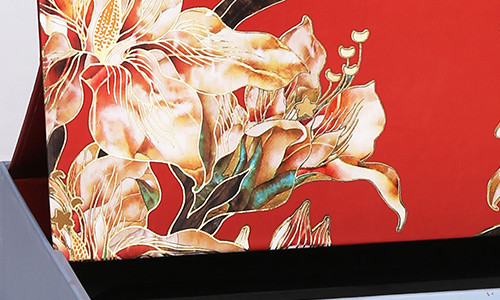
Meet the core needs of consumers, easy to pack, store, and open, and increase the attractiveness of products
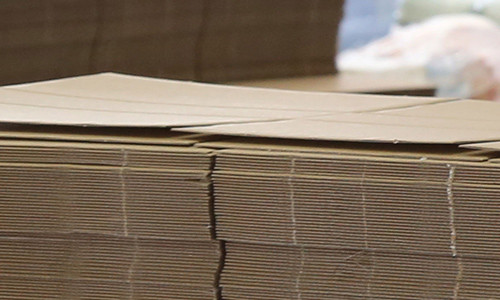
Selected paper materials, lightweight, foldable, recyclable, environmentally friendly, and odorless
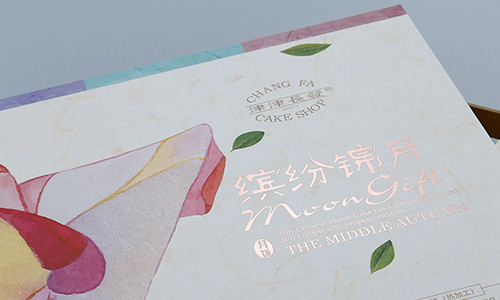
Match brand personality, align with product attributes, make the brand more recognizable, and create a charm from the outside in
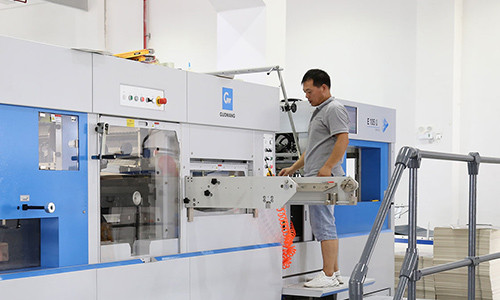
Film coating UV、 Surface treatment processes such as hot stamping and pasting increase the high-end and exquisite quality of packaging boxes

 Related Products
/ Relevant product
Related Products
/ Relevant product

Fixed hotline:+86-021-66317519
Service Hotline:181-0186-9996
email address:chengxunys@163.com
Address: Floors 1-5, Building 30, Lane 2, Suide Road, Putuo District, Shanghai
 WeChat
 What APP
©2026 Rongli Printing Co., Ltd. All rights reserved Rongli Printing Factory Address: Floors 1-3, Building 7, Lane 697, Lingshi Road, Shanghai (Factory Building)